
Hey there,
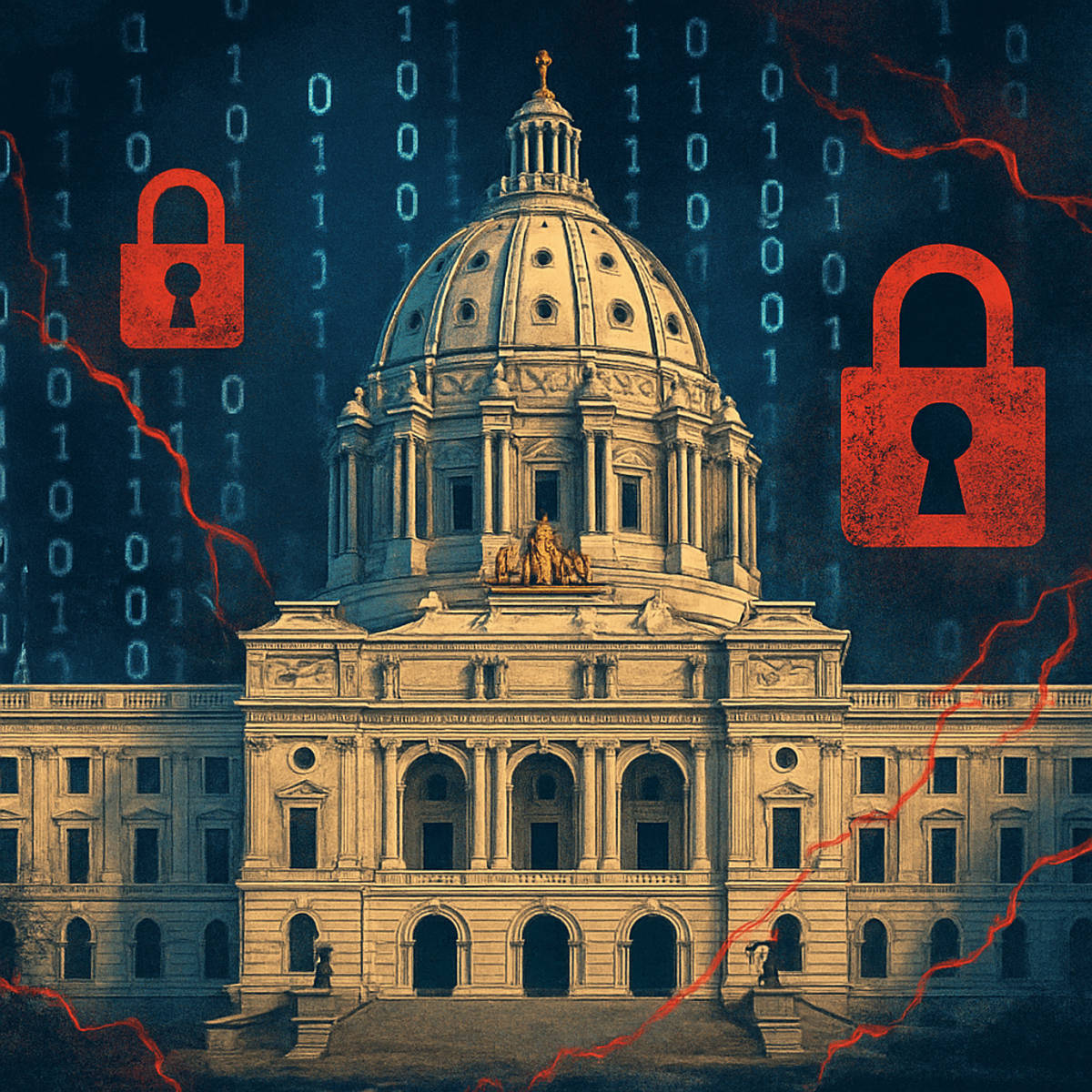
Have you heard about the recent cyberattack on St. Paul, Minnesota? It’s been all over the news, and it’s a stark reminder of how vulnerable our digital infrastructure can be.
What Happened?
Last Friday, St. Paul’s cybersecurity systems detected some suspicious activity. Turns out, it wasn’t just a minor glitch. Mayor Melvin Carter described it as a “deliberate, coordinated digital attack” by a sophisticated external actor. To contain the threat, the city had to shut down its information systems, leading to disruptions like Wi-Fi outages in public buildings and library service interruptions. (reuters.com)
Why Call in the National Guard?
The attack was so complex that Governor Tim Walz activated the Minnesota National Guard’s cyber protection unit. This isn’t something that happens every day. Lt. Col. Brian Morgan, head of the unit, mentioned that while such attacks are becoming more common, this was the first time their team was called in to assist a city. Their job? Recover data, eliminate the threat, and secure the system to prevent future breaches. (kstp.com)
The Bigger Picture
Cyberattacks like this aren’t isolated incidents. Cities across the U.S. have been targeted, often by ransomware groups demanding payment to restore services. While St. Paul hasn’t disclosed if this was a ransomware attack, the disruptions align with tactics used in such scenarios. (reuters.com)
What Can We Learn?
This incident underscores the importance of robust cybersecurity measures. It’s not just about protecting data but ensuring that essential services remain operational. As we become more reliant on digital systems, both individuals and organizations need to stay vigilant and proactive in defending against cyber threats.
Stay safe online!



Leave a Reply