
Hey there,
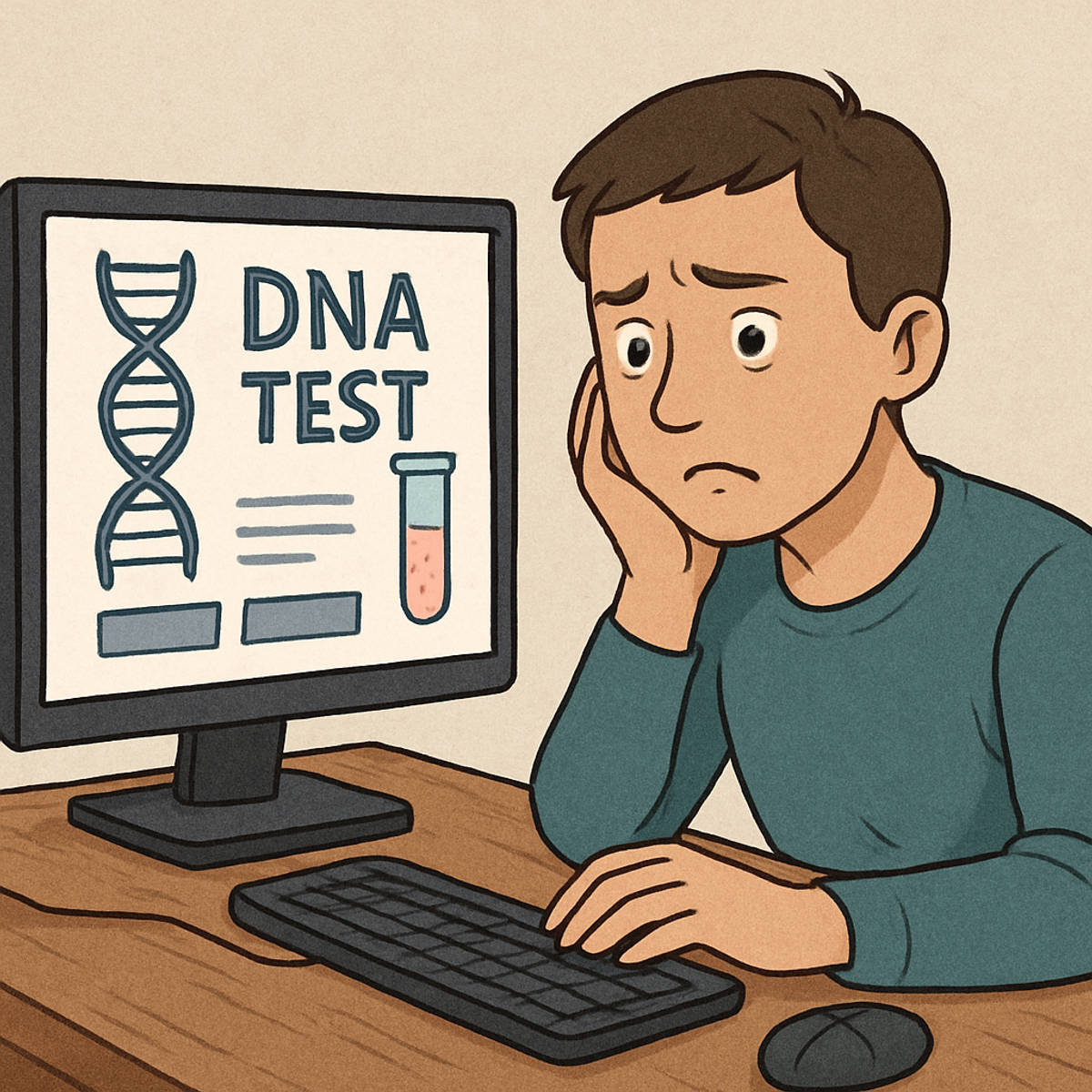
So, have you ever sent your spit off to 23andMe to learn about your ancestry or health traits? I did, and it was fascinating to uncover my genetic roots. But recently, some unsettling news has made me rethink having my DNA data stored with them.
What’s Going On with 23andMe?
In March 2025, 23andMe filed for Chapter 11 bankruptcy. This means they’re restructuring their business, and there’s talk of selling assets—including the vast database of genetic information they’ve collected from customers like us. (reuters.com)
Why Should This Concern You?
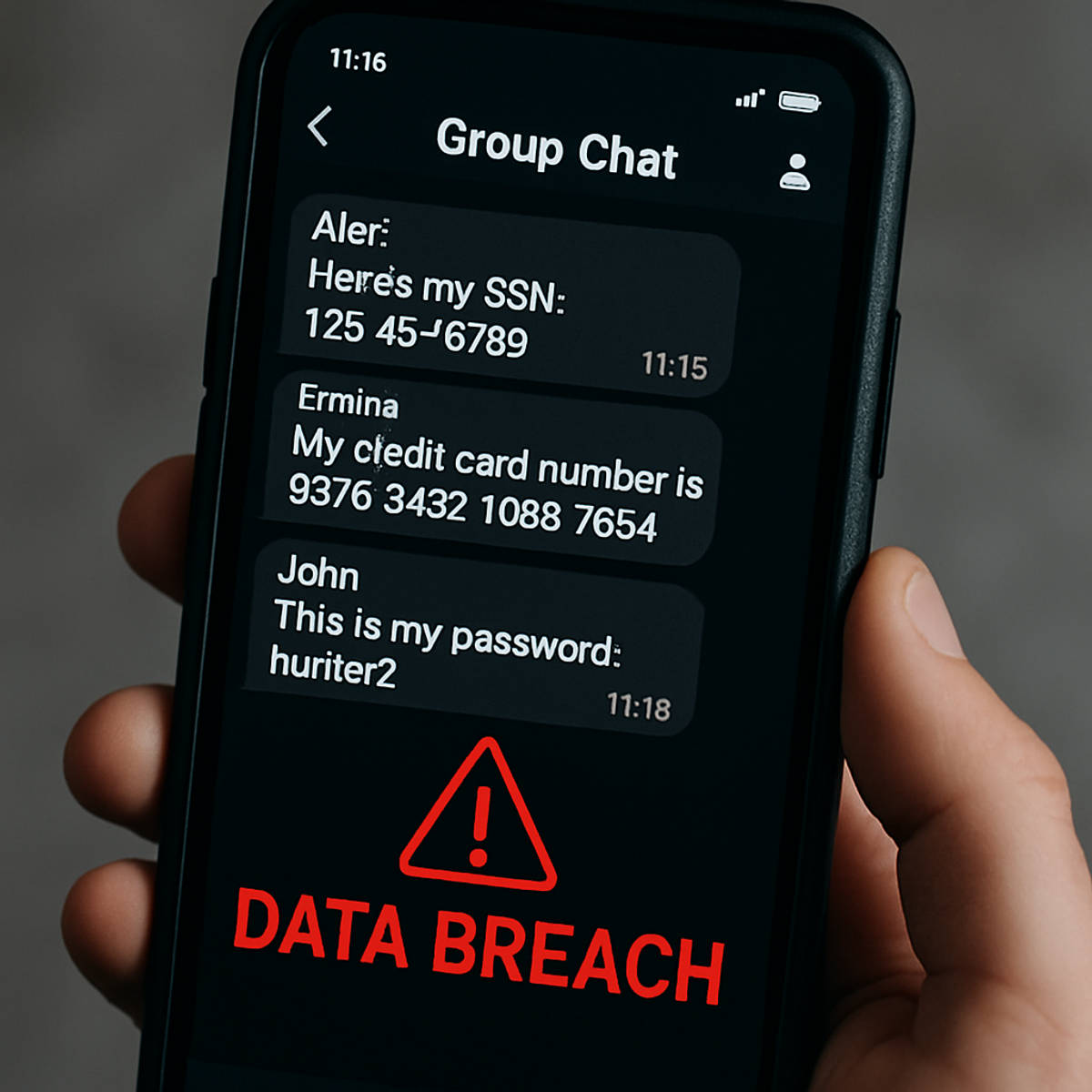
Our DNA is incredibly personal. It’s the blueprint of who we are. If this data falls into the wrong hands, it could be misused in ways we can’t even predict. For instance, in 2023, 23andMe experienced a significant data breach where hackers accessed sensitive information from nearly 7 million users. (apnews.com)
What Can You Do?
If you’re feeling uneasy about your genetic data being out there, you can take steps to delete it from 23andMe’s database. Here’s how:
1. Log into Your Account:
– Go to the 23andMe website and sign in.
2. Navigate to Settings:
– Click on your profile name or icon, then select ‘Settings.’
3. Access Account Information:
– Scroll down to the ’23andMe Data’ section and click ‘View.’
4. Download Your Data (Optional):
– If you want a copy of your genetic data, you can download it before deletion.
5. Delete Your Data:
– Scroll to the ‘Delete Data’ section and click ‘Permanently Delete Data.’
– You’ll receive a confirmation email; click the link inside to finalize the deletion.
6. Request Destruction of Your Saliva Sample:
– In ‘Settings,’ go to ‘Preferences.’
– Select the option to destroy your stored biological sample.
7. Withdraw from Research Consent:
– In ‘Settings,’ navigate to ‘Research and Product Consents.’
– Withdraw your consent for data sharing.
A Few Things to Keep in Mind:
– Processing Time: Deleting your data isn’t instantaneous. It might take up to 30 days for 23andMe to process your request. (wired.com)
– Research Data: If you previously consented to participate in research, your data might have been used in studies. While withdrawing consent stops future use, it doesn’t erase data from completed research. (wired.com)
– Confirmation Issues: Some users have reported not receiving the confirmation email needed to complete the deletion process. If this happens, consider reaching out to 23andMe’s customer support for assistance. (fastcompany.com)
Final Thoughts:
Deciding to delete your genetic data is a personal choice. Given the recent developments with 23andMe, it’s worth considering how comfortable you are with your DNA information being stored and potentially transferred to new ownership. Taking control of your data is empowering, and if you have any concerns, now might be the right time to act.
Stay informed and take care!



Leave a Reply