
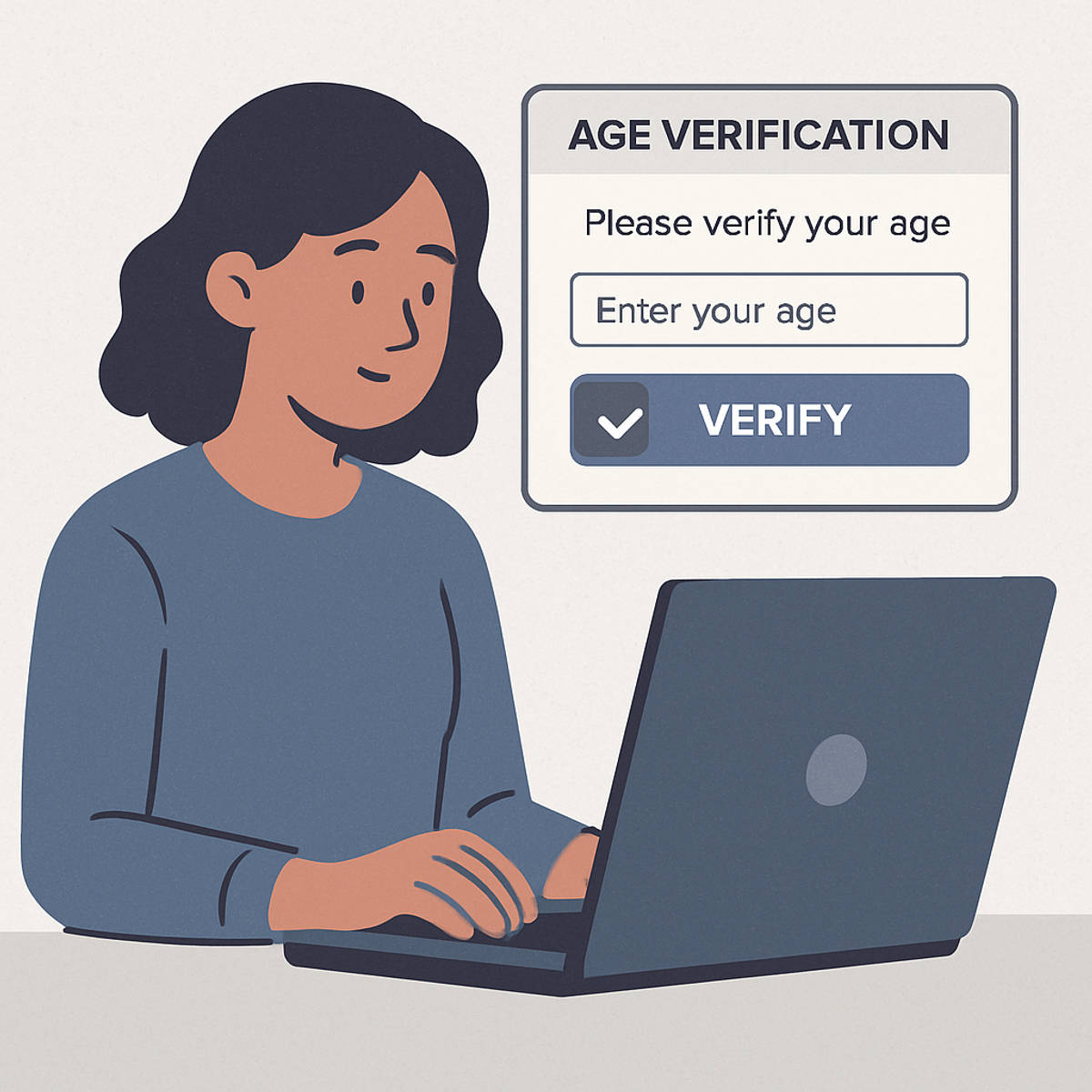
Hey there! Have you noticed those pop-ups asking for your age before accessing certain websites? Well, they’re about to become a lot more common. Let’s chat about what’s happening with age verification on the internet.
What’s the Deal with Age Verification?
Governments worldwide are rolling out laws requiring websites to verify users’ ages. The goal? To shield kids from content deemed inappropriate, like adult material. For instance, the UK’s Online Safety Act now mandates strict age checks for accessing adult content. (ft.com)
How Does It Work?
Websites might ask you to:
– Upload a copy of your government ID.
– Use credit card details for verification.
– Undergo facial recognition to estimate your age.
While these methods aim to be thorough, they raise some eyebrows.
Privacy Concerns
Handing over personal info online always comes with risks. Critics worry about data breaches and misuse of sensitive information. Plus, there’s the fear of increased surveillance. (techradar.com)
Do These Measures Work?
Many doubt their effectiveness. A YouGov survey found that while nearly 70% of Brits support the UK’s new age verification laws, 64% believe they won’t stop under-18s from bypassing restrictions. (pcgamer.com)
The VPN Workaround
Tech-savvy users are turning to Virtual Private Networks (VPNs) to sidestep these checks. VPNs can mask your location, making it seem like you’re browsing from a different country without such restrictions. (ft.com)
Looking Ahead
The debate continues. While protecting minors is crucial, balancing safety with privacy and freedom is tricky. As these laws evolve, it’s essential to stay informed and consider both the benefits and potential pitfalls.
So, next time you encounter an age verification prompt, you’ll know there’s a bigger conversation happening behind the scenes.




Leave a Reply