
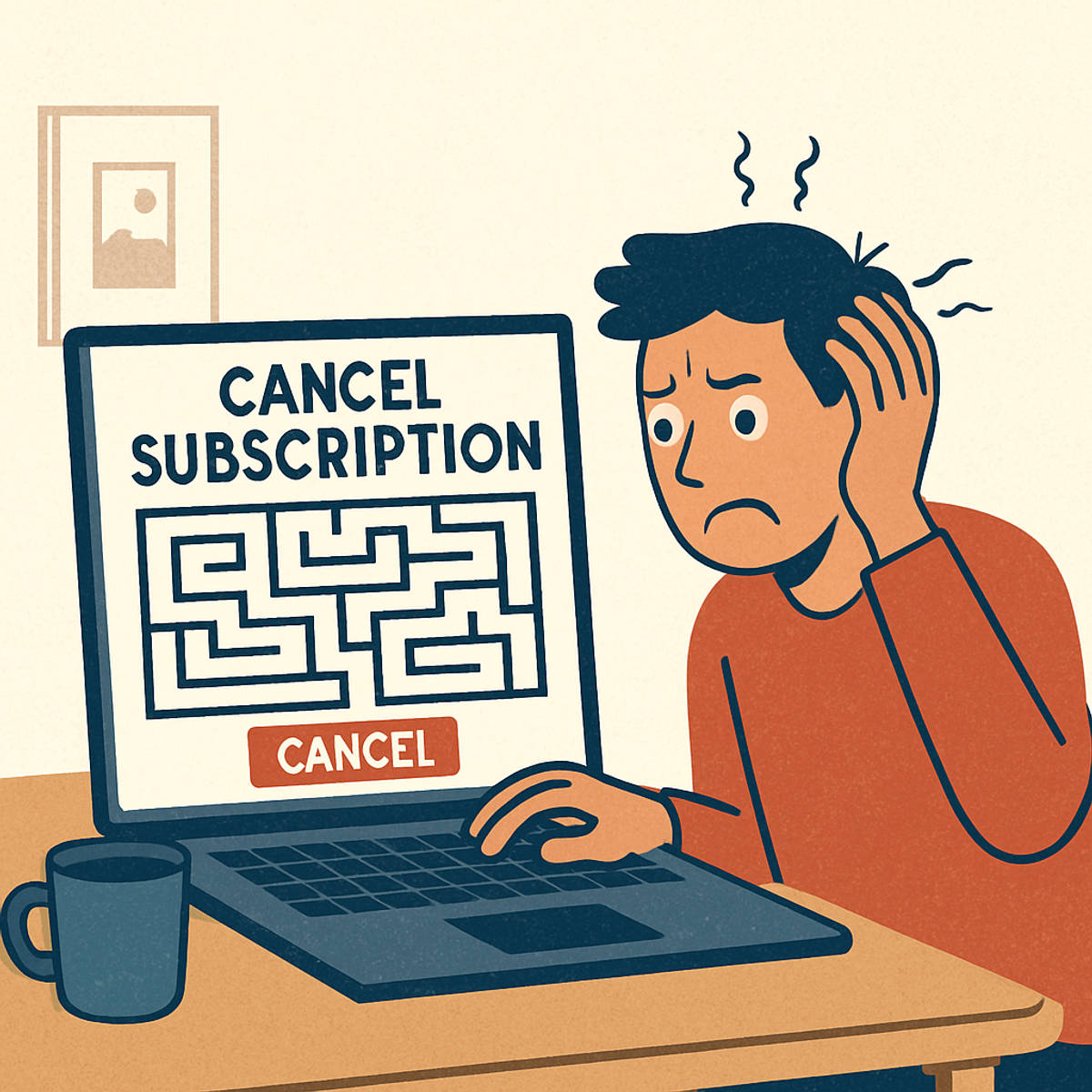
Ever tried to cancel a subscription and felt like you were navigating a labyrinth? You’re not alone. Many of us have faced the frustration of trying to end a service, only to be met with endless clicks, confusing prompts, or even mandatory phone calls. It seemed like relief was on the horizon with the Federal Trade Commission’s (FTC) “Click-to-Cancel” rule. But, as of July 8, 2025, that rule has been struck down by a federal appeals court. Let’s dive into what happened and what it means for you.
The Promise of ‘Click-to-Cancel’
The FTC introduced the “Click-to-Cancel” rule to make canceling subscriptions as straightforward as signing up. The idea was simple: if you can start a subscription with a few clicks, you should be able to end it just as easily. This rule aimed to:
– Prohibit Misrepresentations: Companies couldn’t mislead consumers about their subscriptions.
– Mandate Clear Disclosures: Essential terms had to be presented clearly before you committed.
– Require Explicit Consent: Businesses needed your clear agreement for recurring charges.
– Ensure Easy Cancellation: Canceling should be as simple as the initial sign-up process.
The rule was set to take effect on July 14, 2025, offering hope to many tired of jumping through hoops to cancel unwanted services.
The Court’s Decision
Just days before the rule’s implementation, the U.S. Court of Appeals for the Eighth Circuit vacated it. Why? The court found that the FTC didn’t follow the proper procedures when creating the rule. Specifically, the FTC failed to conduct a preliminary regulatory analysis, a necessary step when a rule is expected to have a significant economic impact—defined as $100 million or more annually. This oversight meant the rule couldn’t stand, regardless of its intentions. (arstechnica.com)
What This Means for You
With the “Click-to-Cancel” rule off the table, the process of canceling subscriptions might remain as cumbersome as before. Companies aren’t required to simplify their cancellation processes, which could lead to:
– Complex Cancellation Procedures: Some services might continue to make it challenging to end subscriptions, hoping you’ll give up and stay subscribed.
– Hidden Fees or Charges: Without clear regulations, there might be less transparency about potential fees associated with canceling.
– Increased Consumer Vigilance: It’s now more important than ever to read the fine print and understand the terms before subscribing.
Staying Proactive
While the court’s decision is a setback for consumer-friendly policies, there are steps you can take to protect yourself:
– Set Reminders: If you sign up for a free trial or subscription, mark your calendar a few days before the renewal date to decide if you want to continue.
– Review Statements Regularly: Keep an eye on your bank or credit card statements to spot any unexpected charges.
– Use Subscription Management Tools: Services like Rocket Money or Trim can help track and manage your subscriptions, though some features might come with a fee. (apnews.com)
Looking Ahead
The FTC might revisit the rule, addressing the procedural issues highlighted by the court. However, this process could take time, and there’s no guarantee of a swift resolution. In the meantime, staying informed and proactive is your best defense against tricky subscription practices.
Remember, while businesses aim to retain customers, you have the right to control where your money goes. Don’t hesitate to advocate for clearer, more straightforward cancellation processes. After all, your time and peace of mind are invaluable.


Leave a Reply