
Hey there,
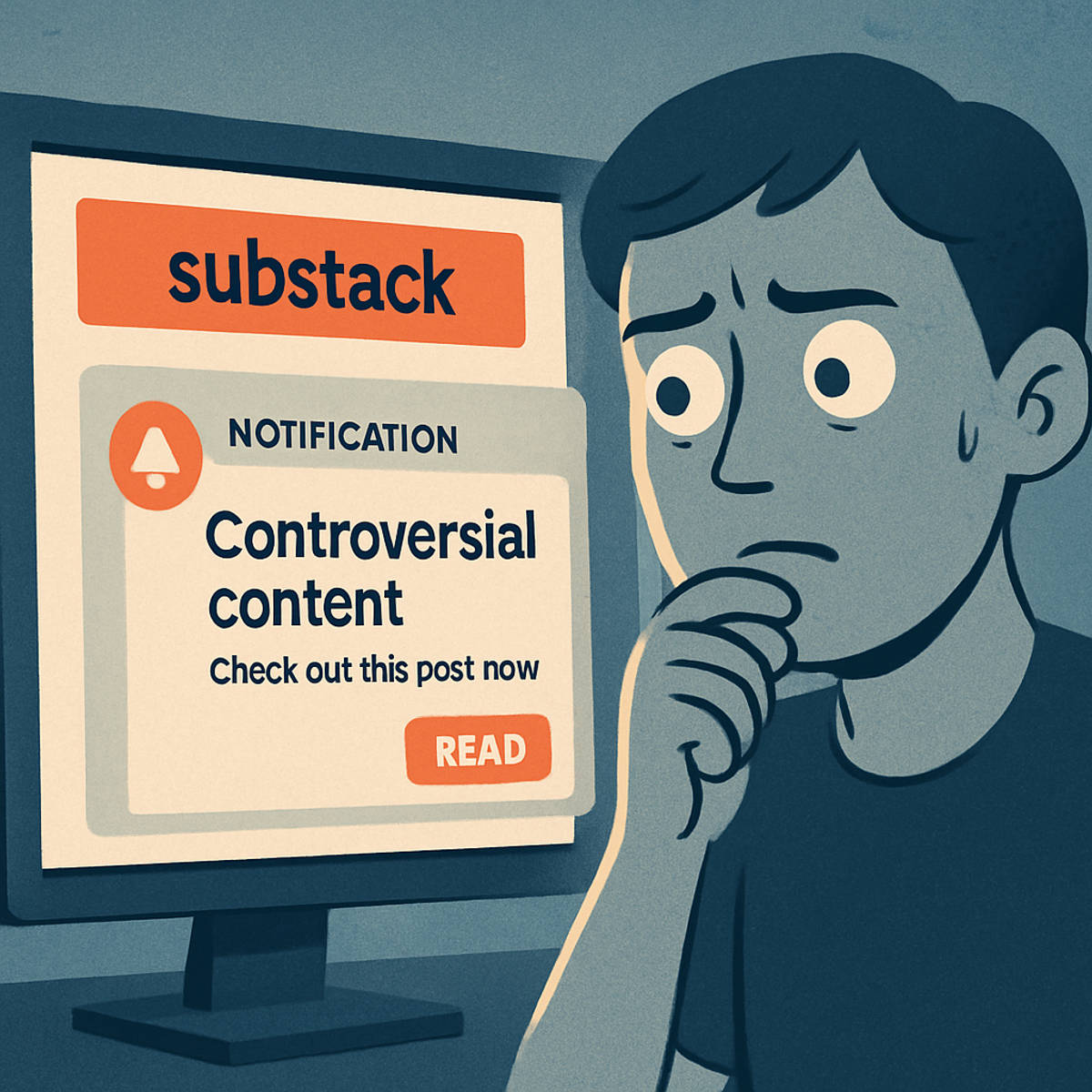
So, something happened recently that got me thinking about the role platforms play in shaping the content we consume. You might have heard about Substack, the popular newsletter platform, and its recent hiccup involving its recommendation algorithm.
The Incident
Imagine this: you’re sipping your morning coffee, and your phone buzzes with a notification from Substack. Curious, you check it out, only to find it promoting a newsletter with overt Nazi symbols. Shocked? You’re not alone. This wasn’t an isolated case. Several users reported receiving similar notifications, leading to a wave of concern and criticism.
Substack’s Response
Substack quickly addressed the issue, stating it was an error in their algorithm. They apologized for the distress caused and assured users that steps were being taken to prevent such incidents in the future. But here’s the thing: this “error” sheds light on a deeper issue.
The Bigger Picture
Algorithms are designed to promote content based on engagement metrics. If extremist content is gaining traction, it’s likely because it’s being engaged with, intentionally or not. This raises questions about the kind of content thriving on platforms like Substack.
A History of Controversy
This isn’t the first time Substack has been in the spotlight for such issues. Back in late 2023, reports highlighted the presence of white supremacist and Nazi newsletters on the platform. Despite backlash from over 100 Substack writers demanding action, the company’s leadership maintained a stance against censorship, arguing that removing such content could exacerbate the problem.
The Dilemma
It’s a tricky situation. On one hand, there’s the principle of free speech. On the other, there’s the responsibility platforms have to ensure they aren’t amplifying harmful ideologies. Where should the line be drawn?
Moving Forward
This incident serves as a reminder for all of us to be more discerning about the content we engage with and the platforms we support. It’s also a call to action for platforms to reevaluate their content moderation policies and the algorithms that drive content promotion.
In the end, it’s about creating a digital space that’s both open and safe for everyone.
Stay informed and take care.



Leave a Reply