
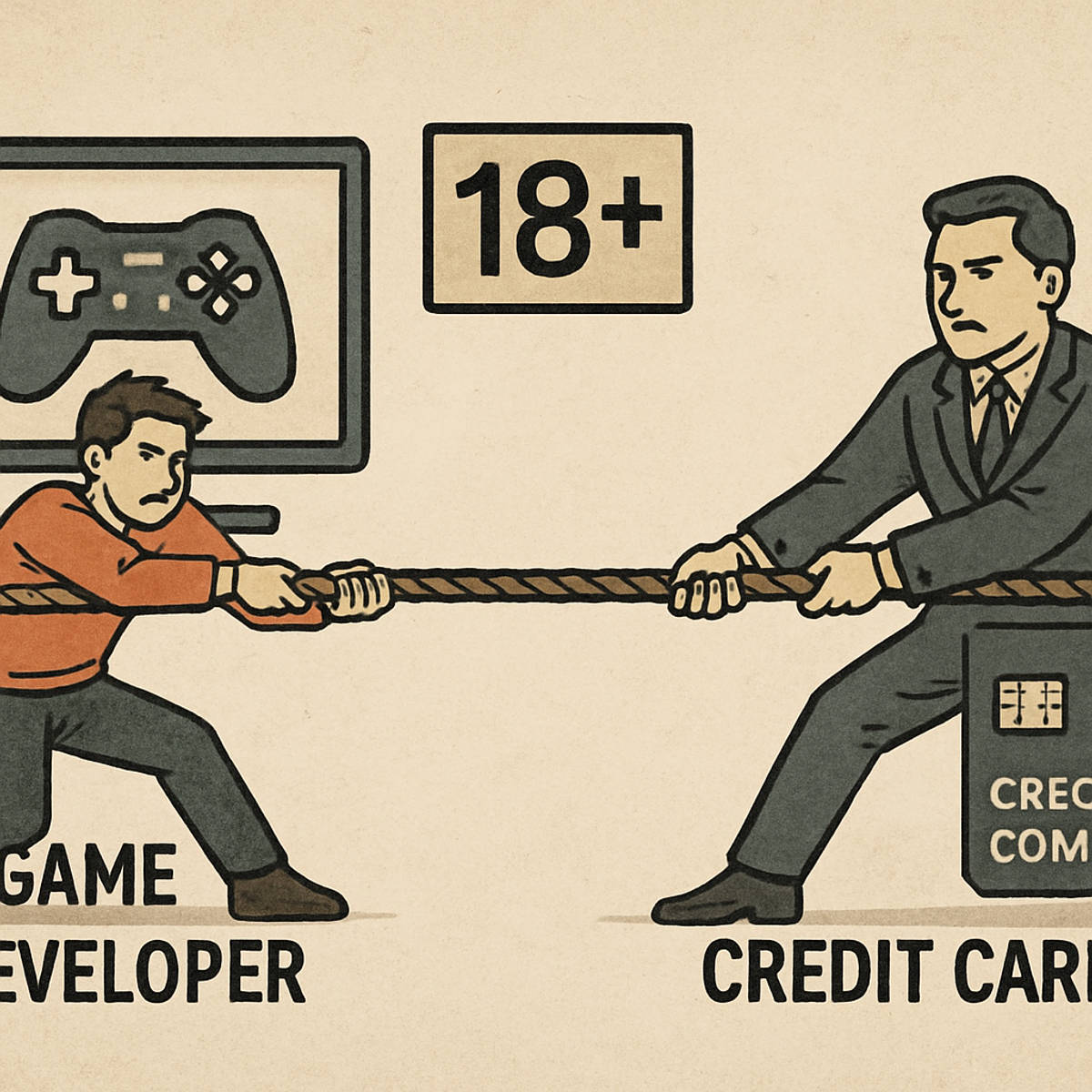
Hey there! Have you ever wondered about the behind-the-scenes dynamics that shape the games we get to play? Recently, a significant controversy has unfolded involving Valve (the company behind Steam), Mastercard, and the broader gaming community. Let’s dive into what’s been happening.
The Spark of Controversy
In late July 2025, Steam and Itch.io, two major gaming platforms, began removing hundreds of adult-themed games. This move wasn’t just a random decision; it was reportedly influenced by pressure from payment processors like Mastercard and Visa. The catalyst? An open letter from the Australian anti-pornography group Collective Shout, urging these financial giants to restrict funding for what they deemed harmful material. (webpronews.com)
Mastercard’s Stance
Mastercard quickly responded to the allegations, stating they hadn’t evaluated or banned any games. They emphasized that they allow all lawful purchases on their network but require merchants to ensure their cards aren’t used for unlawful purchases, including illegal adult content. (kotaku.com)
Valve’s Perspective
Valve, however, painted a different picture. They claimed that while Mastercard didn’t communicate with them directly, the company did so through payment processors and acquiring banks. These intermediaries then relayed concerns about certain games, citing Mastercard’s Rule 5.12.7. This rule prohibits transactions that could damage the brand’s goodwill or involve offensive content. (gamedeveloper.com)
The Broader Implications
This situation highlights the significant influence financial institutions can have over digital content. Even if content is legal, platforms might feel compelled to remove it to maintain payment processing capabilities. This raises questions about creative freedom and the power dynamics between content creators, platforms, and financial entities.
Looking Ahead
As the gaming industry continues to evolve, it’s crucial for all stakeholders to engage in open dialogues. Balancing brand integrity, legal considerations, and creative expression is no small feat. But with collaboration and understanding, a path forward that respects all parties involved can be found.
So, what are your thoughts on this? Do you think payment processors should have a say in the content available on gaming platforms? Let’s discuss!



Leave a Reply