
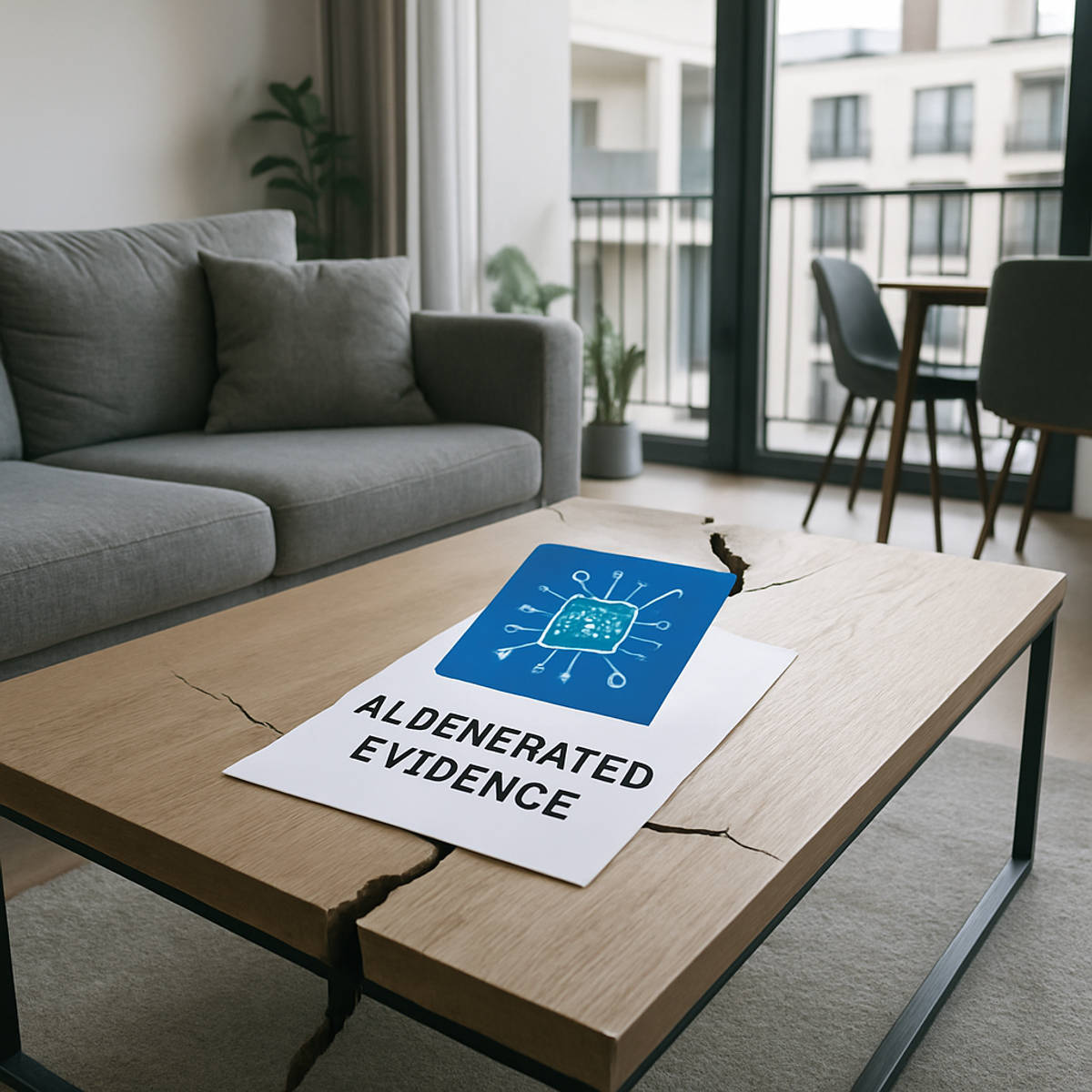
Imagine booking a cozy apartment for your study trip, only to find yourself accused of causing thousands of dollars in damages you didn’t commit. That’s exactly what happened to a London-based academic during her stay in Manhattan. Let’s dive into her story and uncover the unsettling role AI played in this ordeal.
## The Unexpected Accusation
Our protagonist had secured a one-bedroom apartment in Manhattan for a two-and-a-half-month study stint. Feeling uneasy about the neighborhood, she decided to leave earlier than planned. Shortly after her departure, the host alleged she had inflicted over $9,000 in damages, citing issues like a cracked coffee table, a stained mattress, and damaged appliances. (news.ssbcrack.com)
## Spotting the Inconsistencies
Perplexed by the accusations, the guest scrutinized the evidence provided by the host. She noticed discrepancies in the photos of the damaged coffee table—variations that shouldn’t exist in genuine, unedited images. This led her to suspect that the photos had been digitally altered, possibly using AI tools. (petapixel.com)
## The Battle for Justice
Initially, Airbnb sided with the host, instructing the guest to pay over $7,000. Undeterred, she appealed the decision, providing testimony from a witness who could vouch for the apartment’s pristine condition upon her departure. She also highlighted the inconsistencies in the host’s photos, pointing out clear signs of fabrication. (aicommission.org)
## Airbnb’s Reversal
After media outlets began investigating the case, Airbnb revisited the situation. They eventually reversed their decision, issuing a full refund of approximately $5,700 to the guest and removing the negative review left by the host. The host received a warning for violating Airbnb’s terms and was informed that further infractions could lead to removal from the platform. (petapixel.com)
## The Bigger Picture: AI’s Role in Fraud
This incident sheds light on a growing concern: the misuse of AI to create convincing yet false evidence. With AI tools becoming more accessible, the line between reality and fabrication is increasingly blurred. This poses significant challenges for platforms like Airbnb, which rely on user-generated content and trust. (news.ssbcrack.com)
## Protecting Yourself in the Digital Age
So, how can you safeguard yourself against such scenarios? Here are some practical steps:
– Document Everything: Upon arrival and before departure, take time-stamped photos and videos of the property. This provides concrete evidence of the property’s condition during your stay.
– Communicate Through Official Channels: Always use the platform’s messaging system for all communications. This ensures there’s a record of all interactions.
– Be Cautious of Red Flags: If a host makes unusual requests or if something feels off, trust your instincts and report it to the platform.
– Stay Informed: Familiarize yourself with the platform’s policies and your rights as a guest.
## Final Thoughts
The fusion of AI and digital platforms offers incredible possibilities but also introduces new avenues for deception. As users, staying vigilant and informed is our best defense. And for platforms, continuously evolving their verification processes is crucial to maintain trust and integrity in the community.
Note: This story is based on real events reported in various news outlets. For more details, you can refer to the original articles.




Leave a Reply