
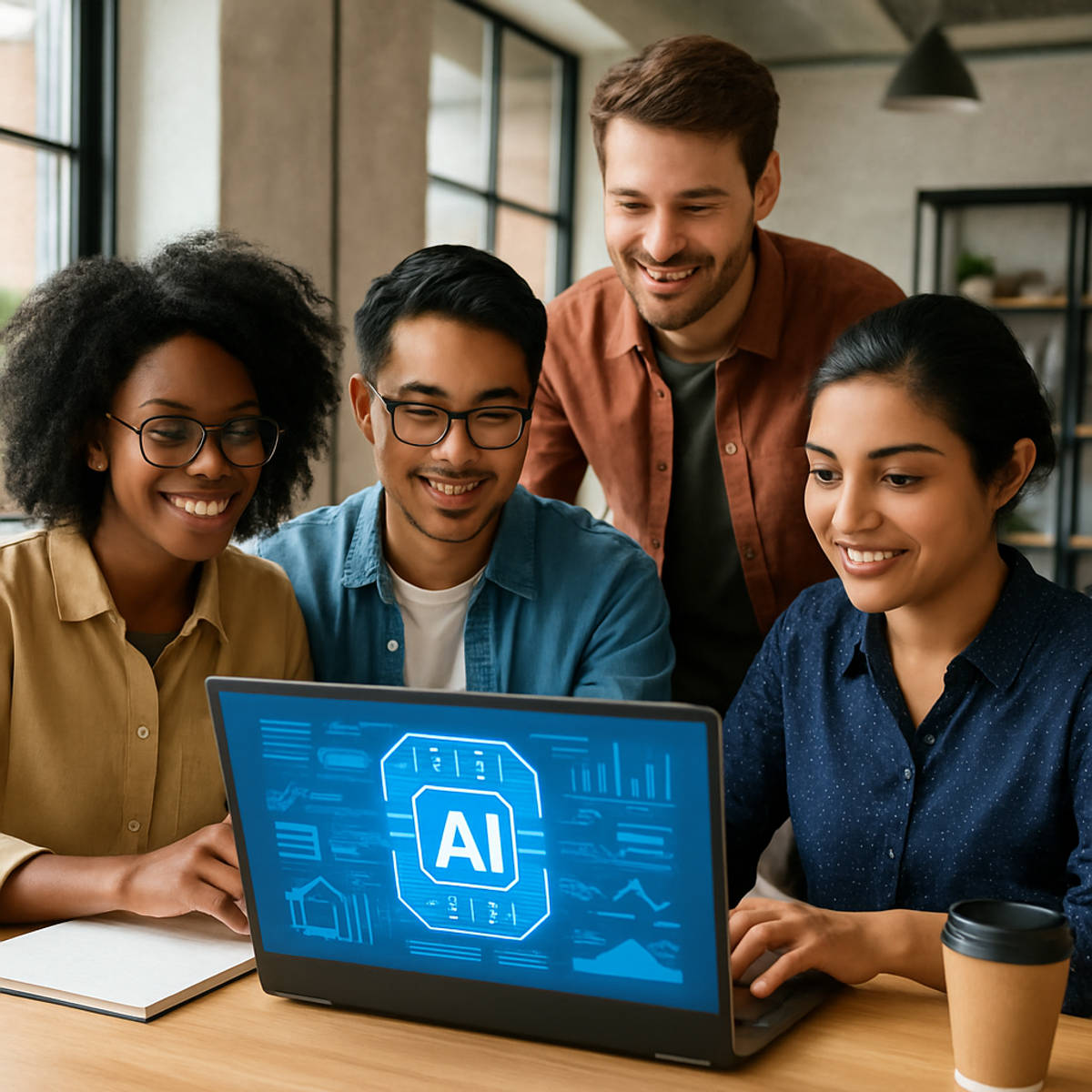
When OpenAI’s CEO, Sam Altman, suggests that Gen Z might be the ‘luckiest’ generation due to AI advancements, it sparks a mix of excitement and concern. On one hand, AI offers tools that can streamline tasks and open new career avenues. On the other, there’s the looming question: Will AI take over jobs traditionally held by humans?
Embracing AI in Daily Work
Many Gen Z professionals are already integrating AI into their workflows. A survey by The Harris Poll found that 93% of Gen Z leaders use two or more AI tools weekly, leveraging platforms like ChatGPT and DALL-E for tasks ranging from drafting emails to brainstorming ideas. (themuse.com)
The Flip Side: Job Security Concerns
Despite the benefits, there’s an undercurrent of anxiety. A study revealed that 52% of Gen Z workers worry about losing their jobs to automation. This concern is valid, especially when considering that AI can handle tasks previously done by humans. (careercenter.unt.edu)
A Shift Towards Skilled Trades
Interestingly, some Gen Z individuals are pivoting towards blue-collar jobs. A survey showed that 53% are considering careers in skilled trades like construction and plumbing, viewing them as more stable and less susceptible to automation. (completeaitraining.com)
Balancing AI and Human Skills
The key might be in balance. While AI can handle repetitive tasks, human creativity, critical thinking, and emotional intelligence remain irreplaceable. By focusing on these uniquely human skills and leveraging AI as a tool rather than a replacement, Gen Z can navigate the evolving job landscape effectively.
Looking Ahead
AI is undeniably reshaping the workplace. For Gen Z, the challenge lies in adapting to these changes, continuously learning, and finding ways to coexist with AI. By doing so, they can harness the benefits of technology while safeguarding their careers.
Image Prompt: A diverse group of young professionals collaborating with AI tools in a modern workspace.




Leave a Reply