

Imagine a future where every American wears a device that monitors their health in real-time. That’s the vision Health Secretary Robert F. Kennedy Jr. (RFK Jr.) has laid out, aiming for universal adoption of wearable health devices within four years. (reuters.com)
The Vision: Empowering Personal Health
RFK Jr. believes that wearables—like smartwatches and fitness trackers—can empower individuals to take control of their health. By tracking metrics such as heart rate and blood sugar levels, people can make informed decisions about their diet, exercise, and lifestyle. He envisions a major advertising campaign to promote this initiative, emphasizing the affordability of wearables compared to expensive medications. (reuters.com)
The Market’s Response
Following RFK Jr.’s announcement, shares of medical device companies, particularly those producing continuous glucose monitors, saw a notable rise. Companies like DexCom and Abbott Laboratories benefited from the increased attention on wearable health technology. (ft.com)
Privacy and Security Concerns
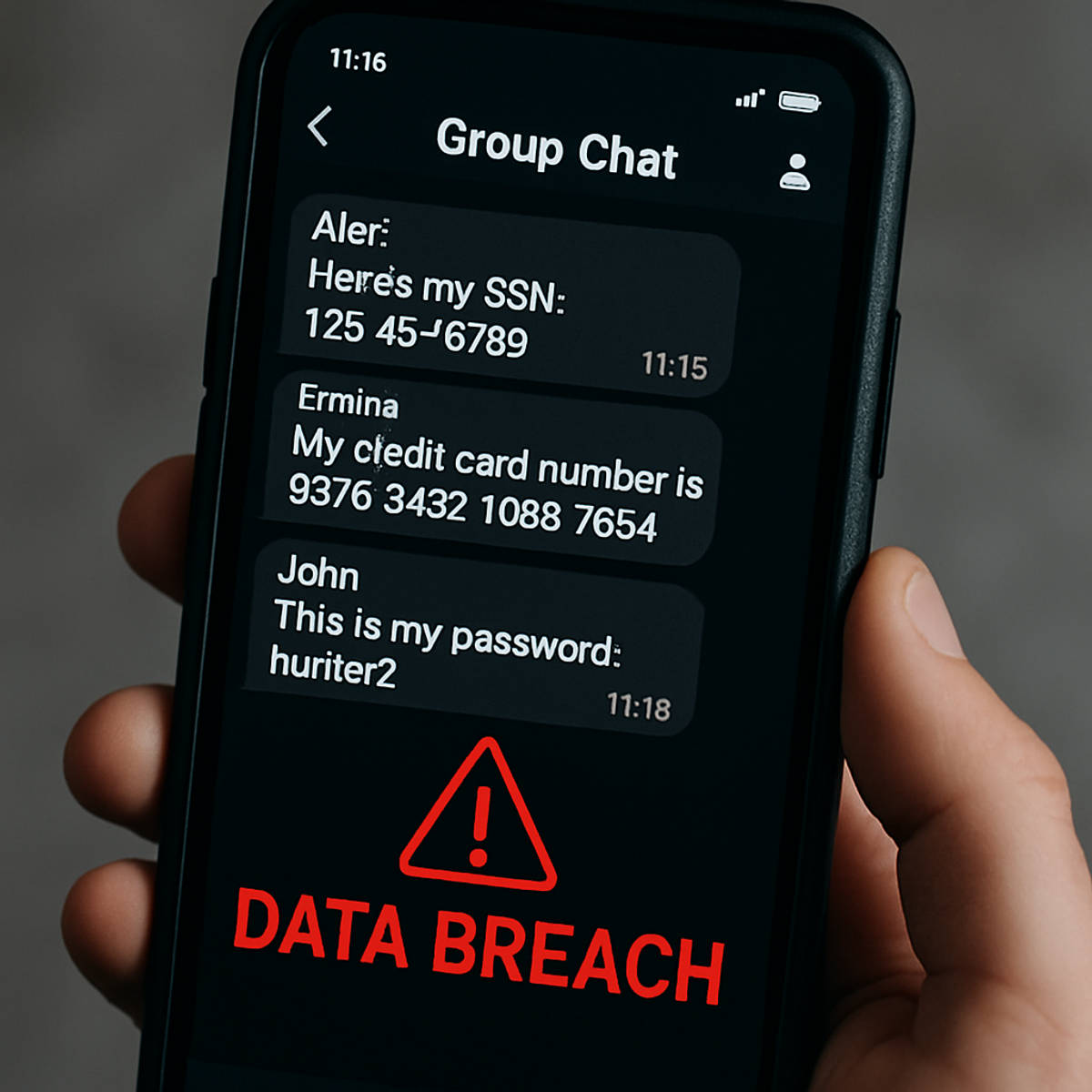
While the potential health benefits are clear, there are significant concerns about data privacy and security. Wearable devices collect sensitive health information, making them potential targets for cyberattacks. Past incidents have shown that even anonymized data can be exploited, raising questions about how user information is stored and shared. (en.wikipedia.org)
Challenges in Adoption
Achieving universal adoption of wearables is ambitious. Challenges include ensuring device affordability, integrating data into healthcare systems, and addressing the digital divide that may prevent some populations from accessing this technology. Additionally, maintaining user engagement over time is crucial, as many individuals abandon wearable devices after initial use. (arxiv.org)
A Balanced Approach
RFK Jr.’s initiative highlights the potential of wearable technology in promoting personal health. However, it’s essential to balance these benefits with robust privacy protections and strategies to ensure equitable access. As we move toward this vision, ongoing dialogue and careful planning will be key to addressing the challenges ahead.



Leave a Reply