
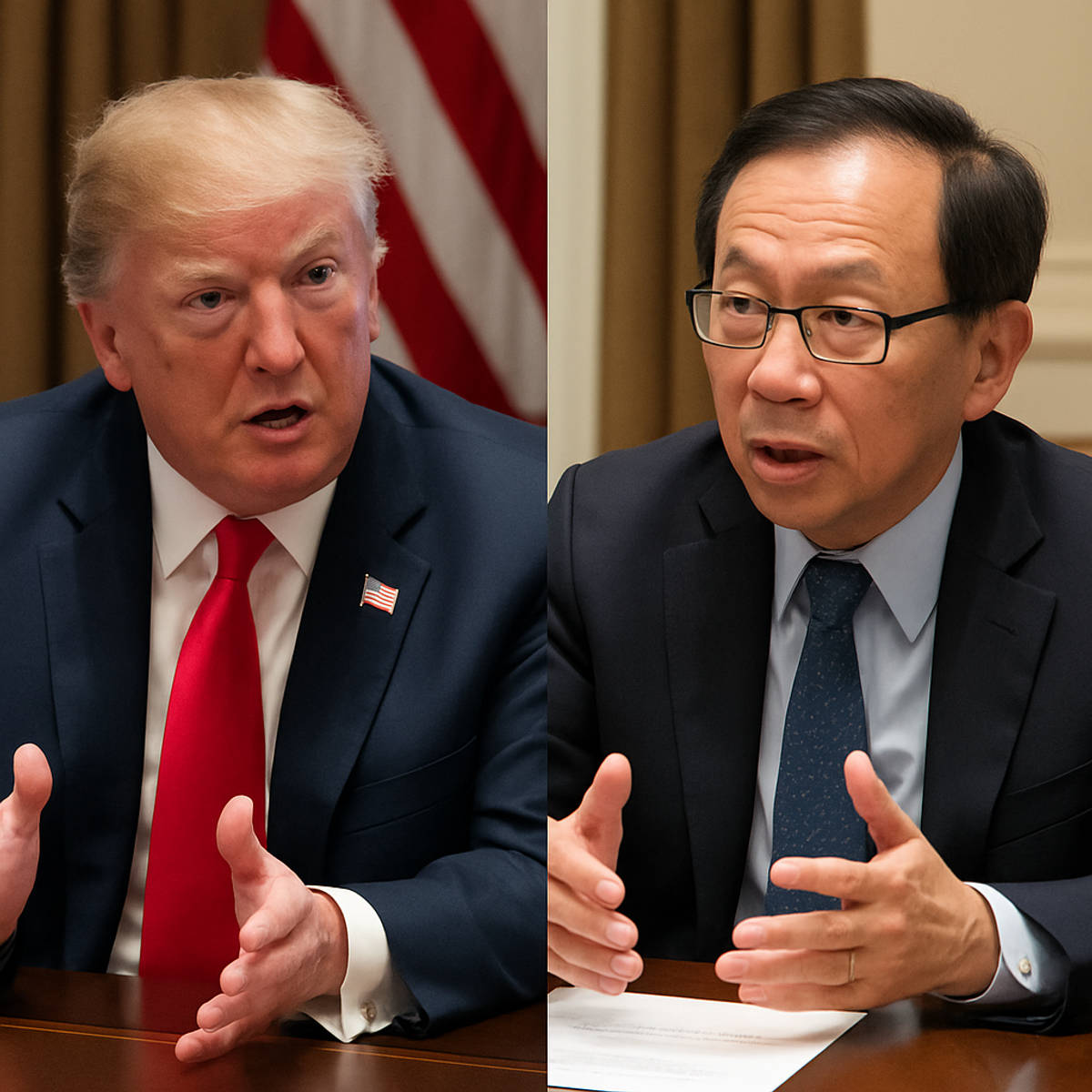
Just a few days ago, President Donald Trump was calling for Intel CEO Lip-Bu Tan’s immediate resignation, citing concerns over Tan’s alleged ties to Chinese companies. Fast forward to today, and Trump is now praising Tan as a “success” after a high-level meeting at the White House. So, what changed?
The Initial Call for Resignation
On August 7, 2025, Trump took to Truth Social to demand Tan’s resignation, stating that the Intel CEO was “highly CONFLICTED and must resign, immediately.” This came on the heels of Senator Tom Cotton’s letter raising concerns about Tan’s investments in Chinese firms and potential conflicts of interest. (ft.com)
The High-Stakes Meeting
Despite the public call for resignation, Trump and Tan met at the White House just days later. The meeting, attended by Commerce Secretary Howard Lutnick and Treasury Secretary Scott Bessent, aimed to discuss strategic suggestions for reviving Intel’s performance. After the meeting, Trump described the discussion as “very interesting” and commended Tan’s professional rise as an “amazing story.” (reuters.com)
Intel’s Response and Restructuring Efforts
Intel has been facing significant challenges, including financial difficulties in its foundry business and missing out on the AI infrastructure boom. Under Tan’s leadership since March 2025, the company has initiated major restructuring efforts, including asset sales, layoffs, and reallocation of resources to navigate these challenges. (reuters.com)
The Bigger Picture
This flip-flop highlights the complex interplay between politics and corporate governance. While initial concerns about national security and conflicts of interest were raised, the subsequent meeting suggests a willingness to collaborate for the sake of technological advancement and economic growth. It also underscores the importance of open dialogue and the potential for change when parties come together to address mutual concerns.
In the end, this episode serves as a reminder that in both politics and business, situations can evolve rapidly, and today’s adversary can become tomorrow’s ally.




Leave a Reply