
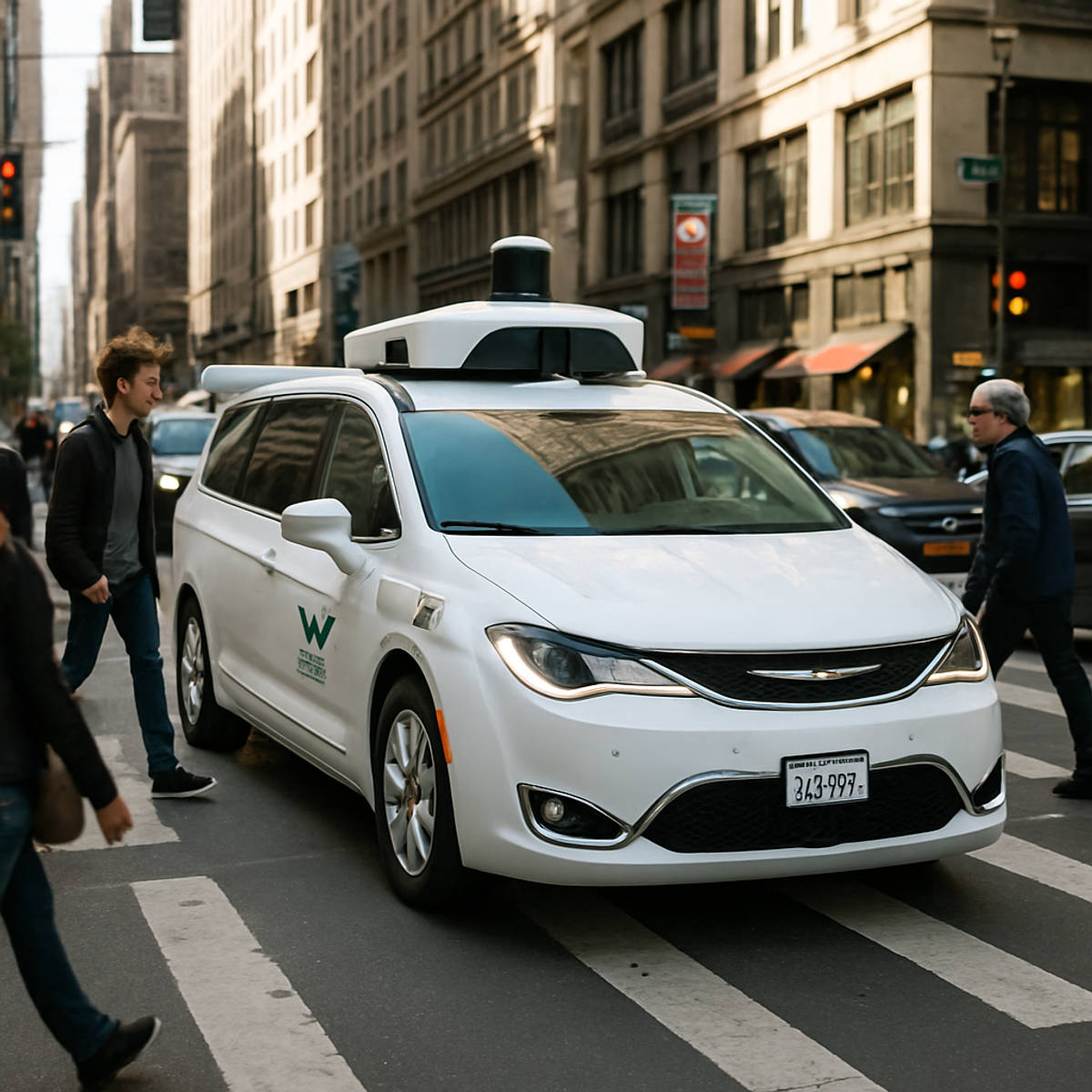
Hey there! Have you ever wondered how autonomous vehicles are stacking up against human drivers in the ride-hailing world? Well, here’s something that might surprise you: Waymo’s robotaxis are now completing more daily trips than 99% of Uber drivers. Let’s dive into what this means and why it’s a big deal.
Waymo’s Impressive Numbers
Waymo, the autonomous driving unit of Alphabet (Google’s parent company), has been making significant strides in the robotaxi market. As of early 2025, Waymo was offering over 200,000 paid rides per week across cities like Phoenix, San Francisco, and Los Angeles. This marked a tenfold increase compared to the previous year. (autoweek.com)
In Austin, Texas, Waymo partnered with Uber to integrate its driverless vehicles into the Uber app. With a fleet of about 100 Waymo vehicles, these robotaxis have been busier than 99% of human Uber drivers in terms of completed trips per day. (thedriverlessdigest.com)
How Do They Compare to Human Drivers?
To put things into perspective, the average Waymo robotaxi in California was completing around 24 trips per day by the end of 2024. (thedriverlessdigest.com) In contrast, human Uber drivers would need to complete a ride every 20 minutes for 10 hours straight to hit 30 trips in a day. (manaspunhani.medium.com) This level of efficiency is challenging for human drivers, considering factors like fatigue, breaks, and varying demand.
Why Does This Matter?
The high utilization rates of Waymo’s robotaxis indicate a few key points:
– Efficiency: Autonomous vehicles can operate longer hours without the need for breaks, leading to more trips per day.
– Scalability: With the ability to handle a high number of trips, companies can potentially reduce the number of vehicles needed to meet demand.
– Economic Viability: Higher trip counts per vehicle can lead to better unit economics, making the autonomous ride-hailing model more sustainable.
Looking Ahead
While Waymo’s achievements are impressive, the autonomous vehicle industry is still evolving. Challenges like regulatory approvals, public trust, and technological advancements remain. However, the current data suggests that robotaxis are not just a futuristic concept but a present reality reshaping urban mobility.
So, next time you’re in a city with Waymo’s service, you might just find yourself sharing the road with one of these busy robotaxis. Who knows? Maybe you’ll even take a ride in one and experience the future of transportation firsthand.




Leave a Reply