
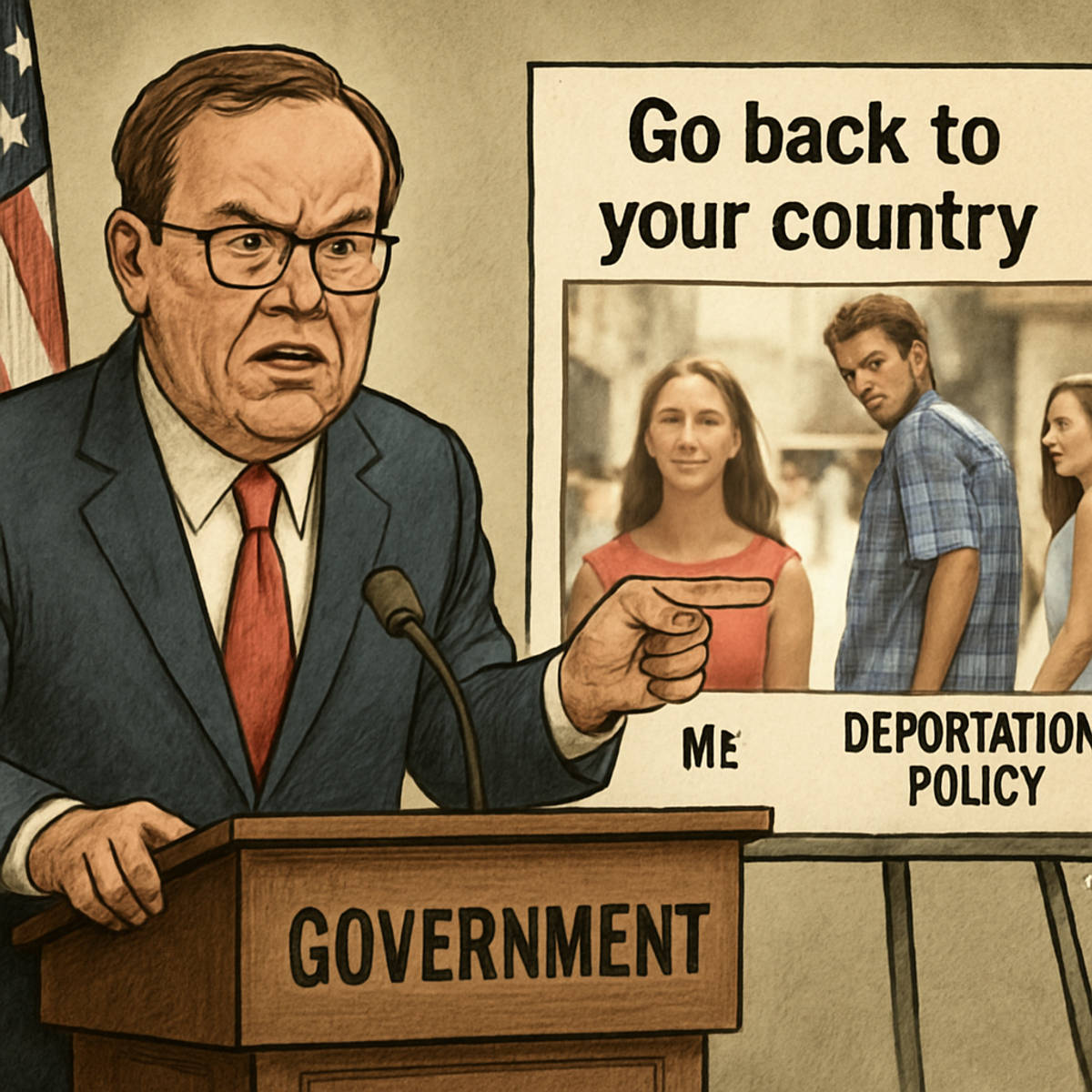
Hey there! Have you ever scrolled through your social media feed and stumbled upon a meme that made you chuckle, only to realize it was posted by a government agency? Well, that’s exactly what’s happening with the Trump administration’s latest approach to immigration enforcement. Let’s dive into this unexpected blend of internet culture and serious policy.
Memes Meet Policy
Imagine this: the Department of Homeland Security (DHS) shares a meme on Instagram featuring Uncle Sam urging Americans to report all “foreign invaders.” Sounds like something from a satirical page, right? But it’s real. The administration is using memes and humor to communicate its mass deportation policies. (washingtonpost.com)
The Strategy Behind the Humor
So, why memes? White House officials say it’s about grabbing attention and showing that President Trump is delivering on his immigration promises in an entertaining way. They believe that by using familiar internet humor, they can engage a broader audience and make their messages more relatable. (washingtonpost.com)
Public Reaction: A Mixed Bag
Not everyone is laughing, though. Critics argue that using humor to discuss deportations is tasteless and dehumanizing. They worry that it trivializes the serious consequences of these policies and could normalize aggression towards immigrants. (wired.com)
A Historical Perspective
This isn’t the first time the U.S. has taken a hard stance on immigration. Remember the Palmer Raids of 1919? Back then, the government conducted mass arrests and deportations of suspected radicals. While the methods differ, the underlying themes of aggressive enforcement and public spectacle seem to echo today. (en.wikipedia.org)
The Bigger Picture
Beyond the memes, the administration is making significant moves. Plans are underway to build the largest federal migrant detention center in U.S. history at Fort Bliss, Texas. This facility aims to detain up to 5,000 migrants, marking a substantial escalation in immigration enforcement. (reuters.com)
Final Thoughts
Blending memes with policy is certainly unconventional. While it might grab attention, it’s essential to consider the real-world implications of these messages. As we navigate this new era of digital communication, let’s remember the human stories behind the headlines and memes. What are your thoughts on this approach? Do you think using humor in policy communication is effective or inappropriate? Let’s discuss!




Leave a Reply