
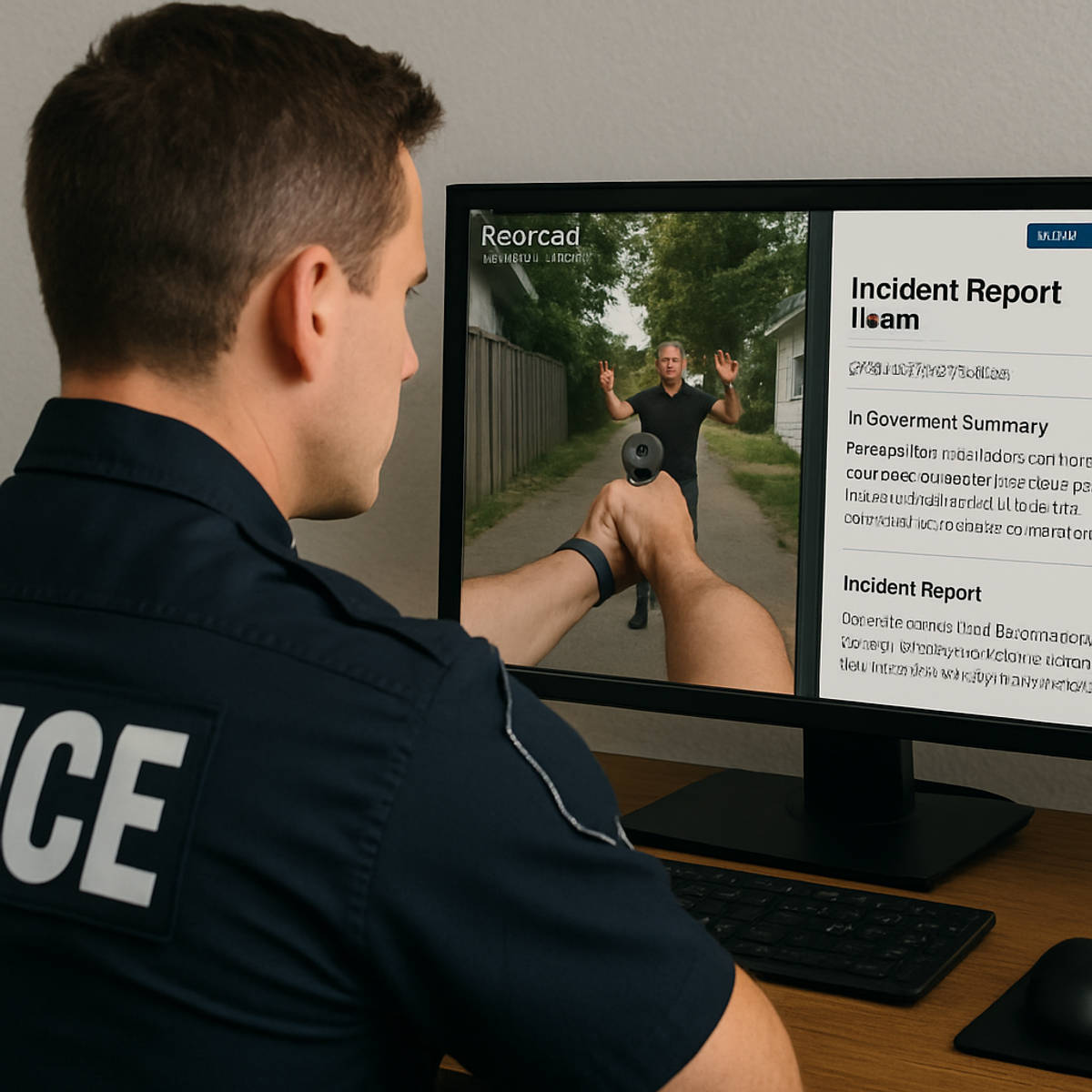
Hey there! Have you ever wondered how much of our daily lives are touched by artificial intelligence (AI)? From recommending what to watch next on streaming platforms to assisting in drafting emails, AI is everywhere. But here’s a twist: it’s now making its way into police departments, specifically in writing reports. And California is taking steps to ensure we know about it.
The Rise of AI in Police Reporting
Imagine a police officer finishing up a long shift. Instead of spending hours typing out reports, they use AI software that listens to their body camera recordings and drafts the report for them. Sounds efficient, right? That’s the idea behind tools like Axon’s “Draft One,” which some California police departments have started using. The goal is to save time and let officers focus more on community engagement. (kqed.org)
Why Transparency Matters
While this technology offers convenience, it also raises important questions. How accurate are these AI-generated reports? Could they unintentionally introduce biases or errors? Recognizing these concerns, California lawmakers have proposed a bill that would require police officers to disclose when they’ve used AI to help write their reports. This means that every time AI plays a role in drafting a report, there would be a clear note indicating its involvement. (kqed.org)
The Details of the Bill
The proposed legislation, introduced by Senator Jesse Arreguín, isn’t about banning AI in police work. Instead, it’s about transparency. Here’s what the bill suggests:
– Disclosure Statement: Every page of an AI-assisted report must clearly state that AI was used in its creation.
– Officer’s Signature: The officer responsible must review, edit, and sign off on the final report, ensuring they stand by its contents.
– Audit Trail: There should be a record of who used the AI tool and which body camera footage or audio was processed.
– Data Protection: Vendors providing AI tools are prohibited from sharing or misusing any personal information from the reports. (legiscan.com)
Mixed Reactions
Not everyone is on board with this bill. Some police associations argue that these requirements could imply that AI-generated reports are less reliable, potentially undermining officer credibility. They also worry about the added administrative tasks and possible legal challenges. (kqed.org)
On the flip side, advocates for the bill believe that transparency is crucial. Knowing when AI is involved allows for better scrutiny and ensures that officers remain accountable for their reports. After all, these documents play a pivotal role in the justice system, influencing decisions from prosecutions to sentencing.
Looking Ahead
As AI continues to weave into various sectors, including law enforcement, it’s essential to strike a balance between leveraging technology for efficiency and maintaining trust and accountability. California’s proposed bill is a step in that direction, aiming to keep the public informed and ensure that the justice system remains fair and transparent.
So, what do you think? Should police departments disclose when they use AI in their reports? It’s a conversation worth having as we navigate the intersection of technology and justice.




Leave a Reply